How Test Data Management Protects Sensitive Data in Banking, Finance & Healthcare | Compliant Test Data Strategy Explained
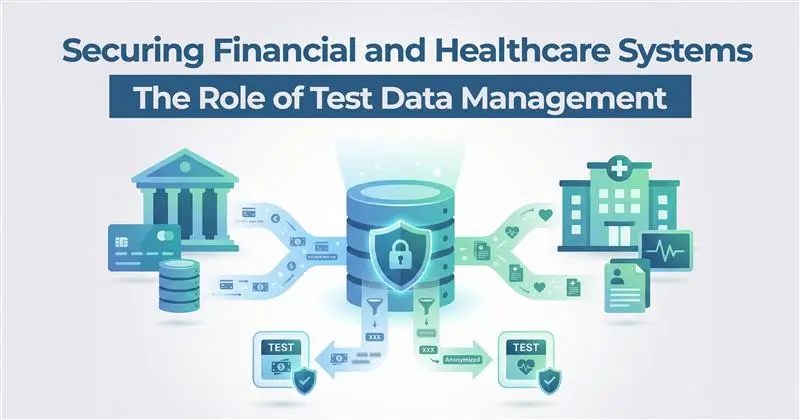
Table of Contents
Test Data Management (TDM) ensures sensitive information from production systems is securely masked, scrambled, or anonymized for non-production testing — protecting privacy, maintaining compliance (e.g., HIPAA, PCI-DSS, GDPR), and accelerating development cycles without exposing real data. TDM uses automated cloning, role-based access, and audit trails to safeguard test environments.
In highly regulated sectors like banking, finance, and healthcare, protecting sensitive data during software testing isn’t optional — it’s a legal requirement. Test environments often lack the same security controls as production, creating risk for data leaks if real production data is used. Effective Test Data Management (TDM) solves this by providing secure, realistic test data without violating regulations or slowing down delivery.
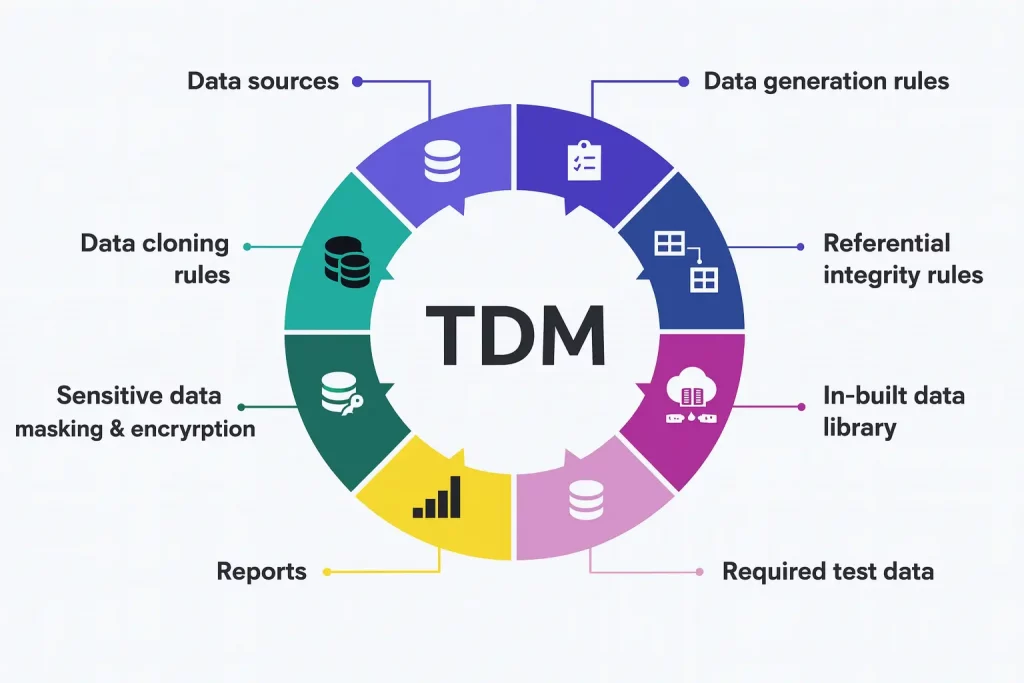
This is where test data management (TDM) becomes critical. Done right, TDM allows organizations to provide secure, high-quality, and production-like data for testing and development without violating compliance rules or slowing down application delivery.
What is Test Data Management (TDM)?
Test data management software helps for DevOp team to synthetic data generation, manage data, copy data, secure data, data scrambling (data masking) and provision the realistic data, data virtualization, compliance data for testing before to launch to production.
In this article, we explore why financial and healthcare organizations rely heavily on test data management, the challenges they face, and how modern tools—like automated database cloning and data scrambling—deliver the security and efficiency they need.
Why Test Data Management Matters Most in Regulated Industries
For banks, insurance companies, hospitals, and healthcare providers, the pressure is enormous:
- They must innovate fast.
- They must protect highly sensitive personal data.
- They must comply with strict rules such as HIPAA, PCI-DSS, GDPR, and FFIEC guidelines.
- They must maintain audit trails and minimize operational risks.
Test and development environments often involve dozens or hundreds of users—developers, QA engineers, analysts, and third-party contractors. Without a proper TDM strategy, this becomes the weakest link in enterprise data governance.
90% of data breaches in regulated sectors occur in non-production environments, primarily because these systems lack the same security controls as production.
A robust test data management framework eliminates this risk.
Key Challenges Financial & Healthcare Companies Face in TDM
1. Prevents Sensitive Data Exposure
Production databases contain highly confidential information such as:
- Credit card numbers
- Social security numbers
- Medical history and diagnostic reports
- Insurance policy details
- Loan applications
- Patient demographics
Copying these datasets directly to test environments creates a major compliance violation and can breach privacy regulations like HIPAA, GDPR, and PCI-DSS..
2. Slow, Manual Test Data Refreshes
Manual data provisioning (backups, cloning, refreshes) can take days or weeks. Automated TDM:
- Generates clones under an hour
- Enables self-service data access
- Improves DevOps pipeline flow
- Reduces developer/QA waiting time
This process often takes days or even weeks, delaying releases and frustrating development teams.
3. Non-Representative or Poor-Quality Test Data
Teams often use outdated, incomplete, or synthetic datasets that don’t reflect real-world scenarios. This results in:
- Missing edge cases
- Uncaught bugs
- Poor performance testing
- Unreliable QA cycles
Regulated industries can’t afford defects in production systems.
4. Compliance & Audit Pressure
Failure to implement proper test data management can result in:
- Legal penalties
- Failed audits
- Loss of customer trust
- Business disruption
To avoid these risks, organizations need TDM solutions with traceability, role-based access, and encryption.
How Test Data Management Solves These Challenges
1. Secure Data Scrambling & Masking
Modern TDM platforms use deterministic, irreversible data scrambling to protect sensitive fields while keeping data functional for testing.
Examples:
- Replacing patient names with realistic substitutes
- Masking bank account numbers
- Scrambling SSNs while maintaining format
- Anonymizing claims or medical diagnosis data
This ensures test environments behave like production—without exposing sensitive information.
2. Automated Database Cloning Under an Hour
Instead of multi-day refreshes, advanced tools like Clonetab enable full, sanitized clones in under 1 hour. Advanced tools create sanitized database clones quickly. This keeps development teams agile while ensuring all sensitive data is already obfuscated
This ensures:
- Faster development cycles
- Fresher test data
- Reduced DBA workload
- Consistent environments across teams
For large enterprises with frequent release cycles, this dramatically accelerates delivery.
3. Self-Service Provisioning for Dev, QA & Analytics
Developers and QA engineers can instantly spin up their own secure test databases without waiting for DBA intervention. Test data systems enforce least privilege access and encrypt data both at rest and in transit, reducing risk of unauthorized exposure.
Self-service TDM portals typically include:
- Instant snapshot-based cloning
- On-demand refreshes
- Custom retention schedules
- Role-based access controls
This removes bottlenecks and creates predictable, repeatable test environments
4. Compliance-Ready Data Governance
A mature TDM process ensures:
- Full masking of sensitive fields
- Audit trails for all clones
- Encryption at rest and in transit
- Role/access enforcement
- Automated policy enforcement
This makes passing audits smoother and reduces security risk significantly.
Why Financial and Healthcare Companies Prefer Automated TDM
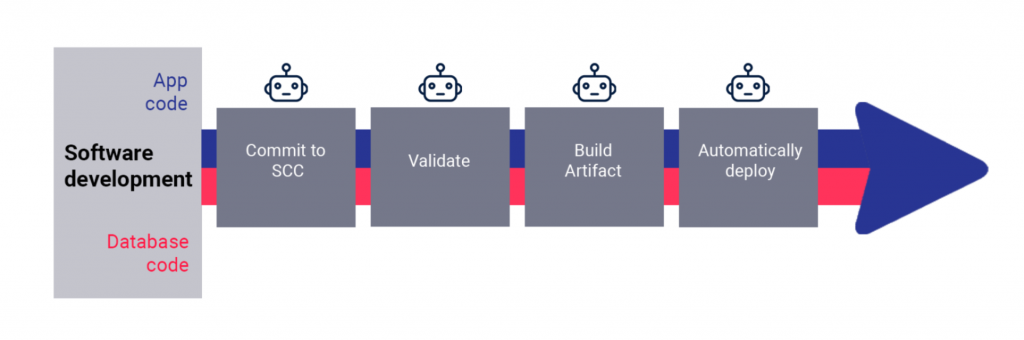
Here’s how modern TDM solutions deliver strategic advantages:
1. Faster Application Releases
Instant provisioning removes the slow manual bottlenecks and enables CI/CD pipelines to run continuously.
2. Lower Operational Costs
Automated cloning and refreshes reduce DBA effort, infrastructure usage, and storage requirements.
3. Zero Data Breach Exposure in Non-Production
Masked/scrambled test data eliminates risk of leaking sensitive customer or patient information.
4. Improved Test Accuracy & Performance
Using production-like data improves functional, regression, and load testing results.
5. Future-Proof Compliance
Automated governance ensures continuous adherence to HIPAA, PCI-DSS, GDPR, SOX, and internal policies.
Conclusion: Test Data Management Is No Longer Optional
For financial and healthcare organizations, test data management is a foundational pillar of both security and innovation. The right TDM solution enables teams to:
- Use realistic, secure test data
- Reduce provisioning times from days to minutes
- Protect sensitive customer and patient information
- Accelerate development and transformation projects
- Pass compliance audits with confidence
Whether you’re modernizing applications, eliminating data risk, or scaling DevOps pipelines, TDM ensures that innovation never compromises security.
FAQs
Sensitive production data must be masked or anonymized before testing to prevent compliance violations and breaches.
Automated test data provisioning significantly reduces cycle times and accelerates releases.
Masking replaces real PII with alternate values that preserve format and function without revealing the original data.
Use role-based access controls, encryption, and automated governance to secure test datasets.
Test Data Management organizes, protects, and provisions data for non-production use so test engineers can run realistic tests without exposing sensitive information.
By masking or anonymizing sensitive fields and maintaining audit logs, TDM helps organizations meet HIPAA, GDPR, PCI-DSS, FFIEC and other regulatory requirements.
Finance, banking, insurance, and healthcare benefit heavily, as they must protect personal and financial information at every stage of development and testing